A Regional Guide to Indian Rice: How to Choose the Right Variety for Every Dish
A Regional Guide to Indian Rice: How to Choose the Right Variety for Every Dish
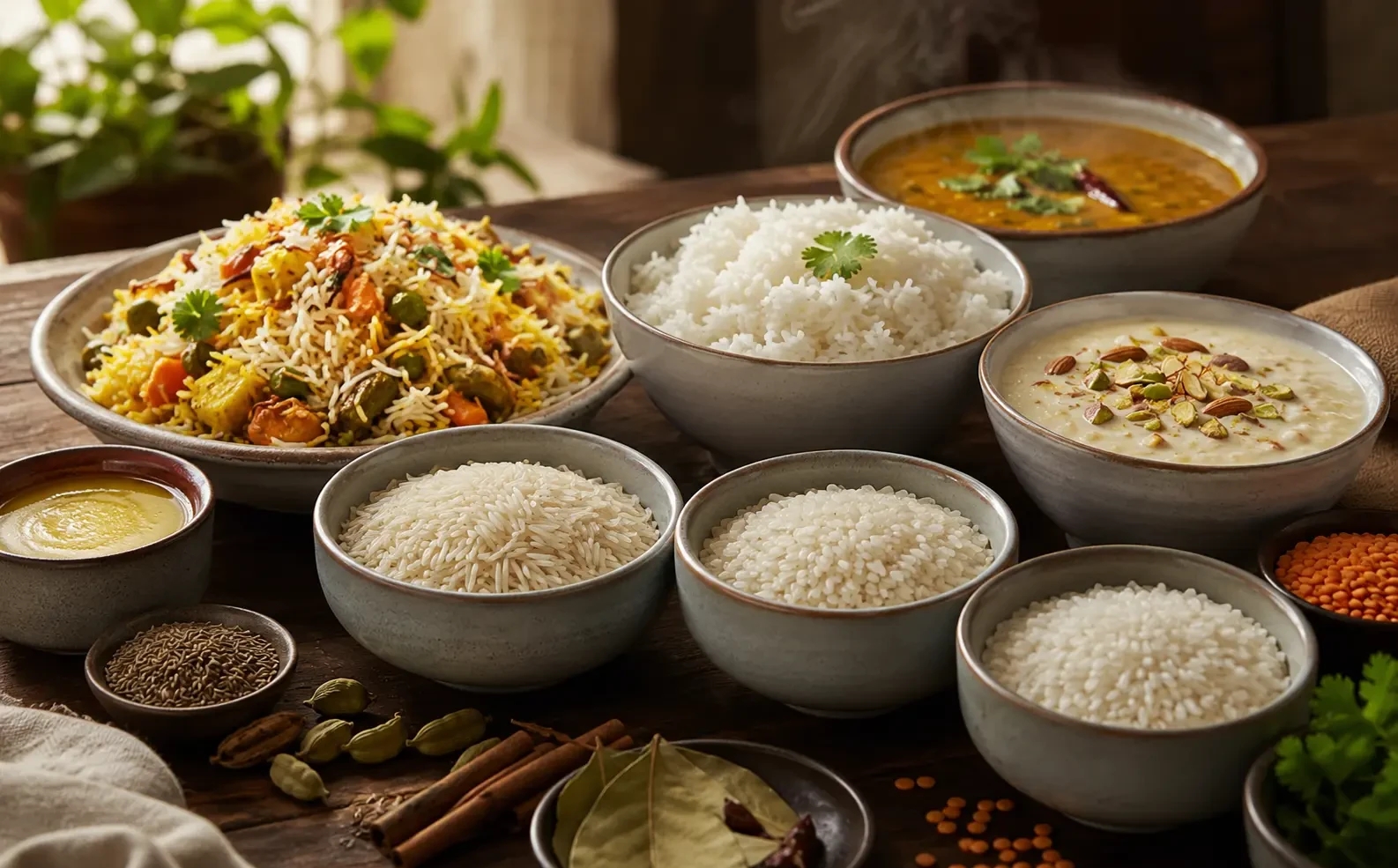
Rice may look like one simple grocery staple, but step into an Indian kitchen and it quickly becomes clear that not all rice is used in the same way. The grain selected for biryani may be very different from the rice preferred for a comforting bowl of curd rice, a festive pulao, or a creamy dessert. Aroma, grain length, starch content, texture, and cooking method can all influence the final dish.
For families who enjoy Indian cooking, understanding these differences can make grocery shopping much easier. Instead of automatically reaching for the same bag of rice every time, you can choose a variety according to what you plan to cook.
At Raunak Bazar, shoppers can explore Indian grocery staples alongside spices, lentils, fresh ingredients, and other essentials needed to turn rice into complete family meals. Learning how to select, store, and cook different rice varieties can help you get more flavor and better texture from one of the most important ingredients in Indian cuisine.
Why Rice Variety Makes Such a Difference
Rice absorbs water, spices, fats, herbs, and cooking liquids differently depending on the variety. Some grains remain separate and fluffy after cooking. Others become softer and slightly sticky. Certain varieties are prized for fragrance, while others are selected because their texture works especially well in regional dishes.
That means substituting one type for another may change the character of a recipe.
Imagine preparing biryani with rice that becomes very soft and sticky. The spices might still taste delicious, but the long, separated grains normally associated with biryani would be missing. In the same way, using very firm long-grain rice in a dish traditionally meant to be creamy and comforting can produce a completely different result.
Understanding rice is therefore not about declaring one variety "best." It is about finding the best match for the dish.
Basmati: The Classic Choice for Fragrant Rice Dishes
Basmati is perhaps the most internationally recognized rice associated with Indian cuisine. Its signature qualities are its long grains and distinctive aroma.
When cooked correctly, good basmati becomes fluffy and elongated, with individual grains remaining separate rather than forming a sticky mass. These characteristics make it especially suitable for dishes where the appearance and fragrance of the rice matter.
Basmati is an excellent option for:
- Vegetable pulao
- Jeera rice
- Peas pulao
- Biryani
- Saffron rice
- Restaurant-style Indian rice dishes
- Rice served alongside rich curries
One of the keys to cooking basmati successfully is rinsing it before cooking. Washing removes some of the loose surface starch that can cause grains to stick together.
Soaking the rice for approximately 20 to 30 minutes can also help the grains cook more evenly. After soaking, drain it gently before adding the measured cooking liquid.
Another useful rule is to avoid aggressive stirring once basmati begins cooking. Too much movement can break the delicate grains.
Sona Masoori: A Versatile Everyday Option
Not every Indian meal needs the dramatic aroma and long grains of basmati.
Sona Masoori is a popular medium-grain rice that works beautifully in everyday meals. Its relatively light texture makes it useful for simple combinations of rice with dal, sambar, rasam, vegetables, yogurt, or pickle.
Because it does not need to be the visual centerpiece of a meal, it is an excellent pantry staple for families who cook rice frequently.
Consider using Sona Masoori for:
- Everyday steamed rice
- Rice with dal
- Sambar rice meals
- Lemon rice
- Tomato rice
- Yogurt or curd rice
- Tamarind-based rice dishes
The softer character can be especially comforting when served with lentil dishes and gravies.
For households cooking Indian food several times each week, keeping an everyday rice variety alongside basmati can make meal planning more flexible.
Ponni Rice and South Indian Cooking
Ponni rice is another variety associated particularly with South Indian meals. Depending on the type purchased and how it is processed, it can produce a satisfying texture suited to traditional everyday dishes.
It works well when the rice needs to accompany strongly flavored preparations rather than dominate them.
A simple plate of rice, sambar, vegetable poriyal, pickle, and yogurt demonstrates an important principle of Indian cooking: individual ingredients do not always need to be elaborate. Sometimes their role is to complement one another.
Choosing a rice variety that supports the rest of the plate can create a more balanced eating experience.
Idli Rice Has a Different Purpose
One of the most common grocery-shopping mistakes is assuming that every product labeled as rice is designed primarily to be boiled and eaten as steamed rice.
Idli rice is a good example.
It is commonly used as part of fermented batters for dishes such as idli and dosa. Combined with urad dal and fermented properly, it helps create the characteristic texture expected from these South Indian staples.
If you regularly prepare dosa or idli from scratch, keeping the appropriate rice and urad dal in your pantry makes the process much more convenient.
This also demonstrates why an Indian grocery store can be useful to home cooks. Specialized ingredients allow you to prepare regional foods using products closer to those traditionally chosen for the recipe.
Rice for Kheer and Sweet Preparations
Indian rice dishes are not limited to savory meals.
Rice is also the foundation of desserts such as traditional rice kheer. Here, the desired result is completely different from biryani. Instead of emphasizing long, perfectly separated grains, the rice cooks slowly in milk and contributes to a rich, creamy consistency.
A suitable short- or medium-grain rice can work particularly well because it softens during cooking and integrates naturally with the milk.
Cardamom, saffron, almonds, pistachios, raisins, and other pantry ingredients can then transform the simple combination of rice and milk into a festive dessert.
This is another reason to select rice based on purpose rather than assuming one variety must handle every recipe.
Brown Rice for Everyday Variety
Some households also like keeping brown rice available as an alternative to white rice.
Because brown rice retains its bran layer, its texture is firmer and its flavor is slightly nuttier. It also usually requires more cooking time.
Rather than expecting it to taste exactly like white rice, use its distinctive texture intentionally.
Brown rice can work in:
- Vegetable rice bowls
- Lentil and rice combinations
- Simple pulao-style meals
- Meal-prep bowls
- Rice salads
- Mixed vegetable dishes
If your family is new to brown rice, gradually introducing it into familiar meals may make the transition easier.
How to Match Rice with the Dish You Are Cooking
A simple way to shop is to ask what role the rice will play. For an aromatic centerpiece such as biryani, long-grain basmati is an obvious candidate. For a simple everyday meal with dal or sambar, a softer everyday rice can be more practical. For fermented batter, look for rice intended for that purpose.
For creamy desserts, choose a grain that softens nicely. This approach prevents grocery shopping from becoming unnecessarily complicated. You do not need six different bags of rice at home. Two or three carefully chosen varieties can cover an impressive number of meals.
Build a Complete Meal Around Your Rice
Rice becomes much more interesting when paired thoughtfully with other grocery staples.
For a quick North Indian-inspired dinner, prepare basmati or jeera rice and serve it with chana masala, dal tadka, or a paneer curry. For a South Indian-style meal, pair steamed rice with sambar, rasam, vegetables, yogurt, and pickle.
For a one-pot dinner, combine rice with vegetables, whole spices, and protein-rich lentils.
Leftover cooked rice can also become the starting point for a completely different meal the next day. Use properly refrigerated leftover rice for vegetable fried rice, lemon rice, or a quick spiced rice preparation. Thinking beyond the first meal helps reduce food waste while adding variety.
Essential Ingredients to Keep Beside Rice
A rice-friendly Indian pantry can be surprisingly simple. Keep lentils such as moong dal, toor dal, and masoor dal available for quick protein-rich accompaniments. Whole spices such as cumin, cloves, cardamom, cinnamon, bay leaves, and mustard seeds can transform plain rice into aromatic dishes.
Ground turmeric, coriander, chili powder, and garam masala support countless curries that can be served with rice. Ghee is another useful staple for finishing jeera rice, khichdi-style dishes, and festive preparations. Add onions, tomatoes, ginger, garlic, green chilies, cilantro, lemons, and seasonal vegetables, and you have the foundation for dozens of meals.
Proper Rice Storage Matters
Buying the right rice is only half the job. Proper storage helps protect its quality. Once opened, rice should generally be transferred into a clean, dry, tightly sealed food-storage container. Keep it away from moisture and excessive heat.
Before refilling a container, make sure it is clean and completely dry rather than continually pouring new rice over old stock. If you buy several varieties, label the containers. Basmati, everyday rice, and specialty rice can look similar once removed from their original packages.
Using a first-in, first-out approach also makes sense: finish older stock before opening another package.
Cooking Better Rice at Home
Whatever variety you select, a few basic habits improve results. Measure both rice and water instead of relying completely on guesswork. Different varieties require different amounts of liquid, so check package directions when trying a new product.
Rinse when appropriate. Give delicate long-grain rice enough room to expand.
Use a heavy-bottomed pot when cooking on the stovetop to distribute heat more evenly.
After the rice finishes cooking, letting it rest covered for several minutes can help the moisture redistribute. Finally, fluff long-grain rice gently with a fork instead of vigorously mixing it.
Small changes in technique can make an everyday staple taste much more polished.
Make Rice Shopping More Intentional
The rice aisle becomes easier to understand when you stop seeing it as a collection of similar bags and start seeing each variety as a cooking tool.
Think about the dishes your household prepares most frequently. If biryani and pulao are favorites, keep quality basmati available. If rice accompanies dal or sambar several times each week, choose a reliable everyday variety. If weekend breakfasts include homemade idli and dosa, stock ingredients for fermented batter.
Shopping this way can reduce impulse purchases and ensure the groceries in your pantry actually match the food your family enjoys.
Discover Indian Grocery Essentials at Raunak Bazar
Indian cuisine is incredibly diverse, and rice is one of the ingredients that shows that diversity beautifully. From fragrant biryani and colorful pulao to comforting dal-rice combinations and creamy desserts, choosing the appropriate grain helps every recipe achieve the texture and flavor it deserves.
Raunak Bazar makes it easier to build a kitchen around authentic Indian cooking by bringing together rice, lentils, flours, spices, oils, fresh produce, frozen foods, snacks, sweets, and other everyday essentials.
The next time you shop for rice, do not simply ask which bag is best. Ask what you want to cook.
That one question can lead to better grocery choices, better texture, less pantry clutter, and more satisfying homemade Indian meals.
Visit Raunak Bazar in Manteca to explore Indian grocery essentials and find ingredients for everything from everyday family dinners to special weekend meals.